Coordinating a late arrival with a temporary apartment handover
An evening flight or a long road journey can make arrival time uncertain. A temporary apartment may not have hotel-style reception available at every hour.
Category
8 articles
An evening flight or a long road journey can make arrival time uncertain. A temporary apartment may not have hotel-style reception available at every hour.
A minimum-stay rule describes how long a booking must last. Advance notice describes how far before arrival the request or booking must be made.
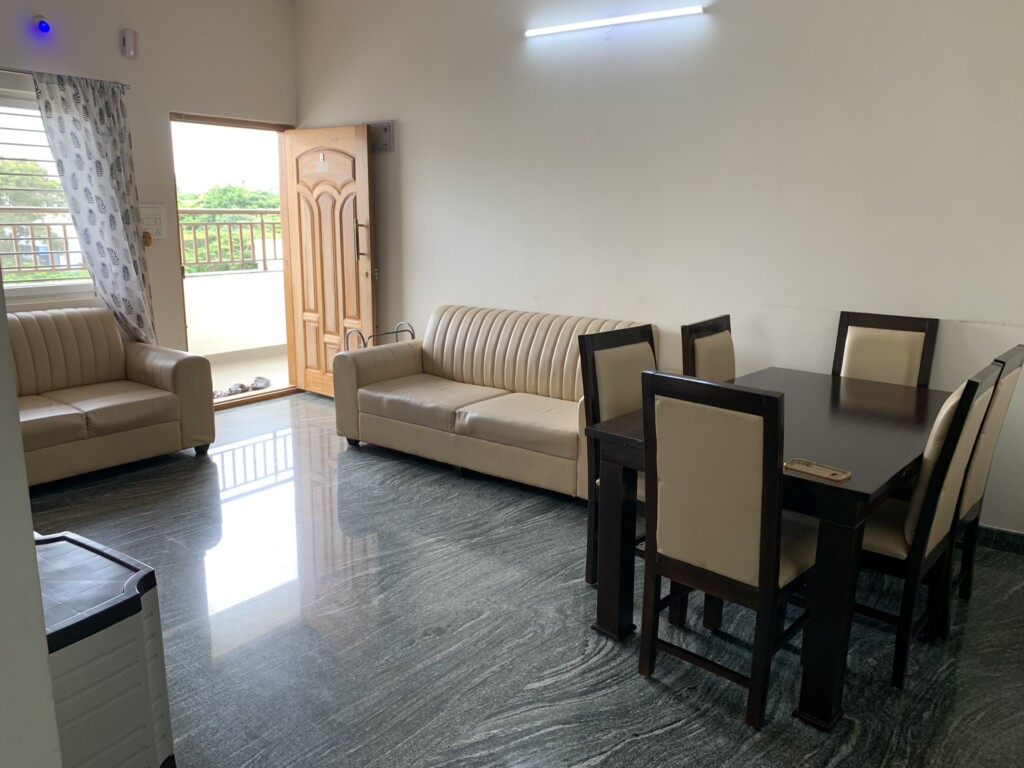
A furnished label can mean different things across properties. A newcomer may expect a washing machine, cookware or workspace that is not included in the selected unit.
A temporary home can be comfortable for sleeping yet awkward for a working day. The resident may need a usable desk, a suitable chair, power access and a place where calls do not disturb others.
A relocation search can go wrong when it uses only a large workplace area's name. The actual office entrance, shift time and travel mode determine the journey.
Online neighbourhood descriptions rarely capture the full routine of living somewhere. A newcomer may need to understand commuting, everyday shopping and access to family destinations before signing a longer agreement.
A company moving several employees may not need every apartment on the same date. Treating the group as one identical booking can create unused nights or confusion about arrivals.
A permanent-home handover date can move after a family has already arranged travel. The temporary accommodation plan should recognise that possibility without assuming unlimited extension.